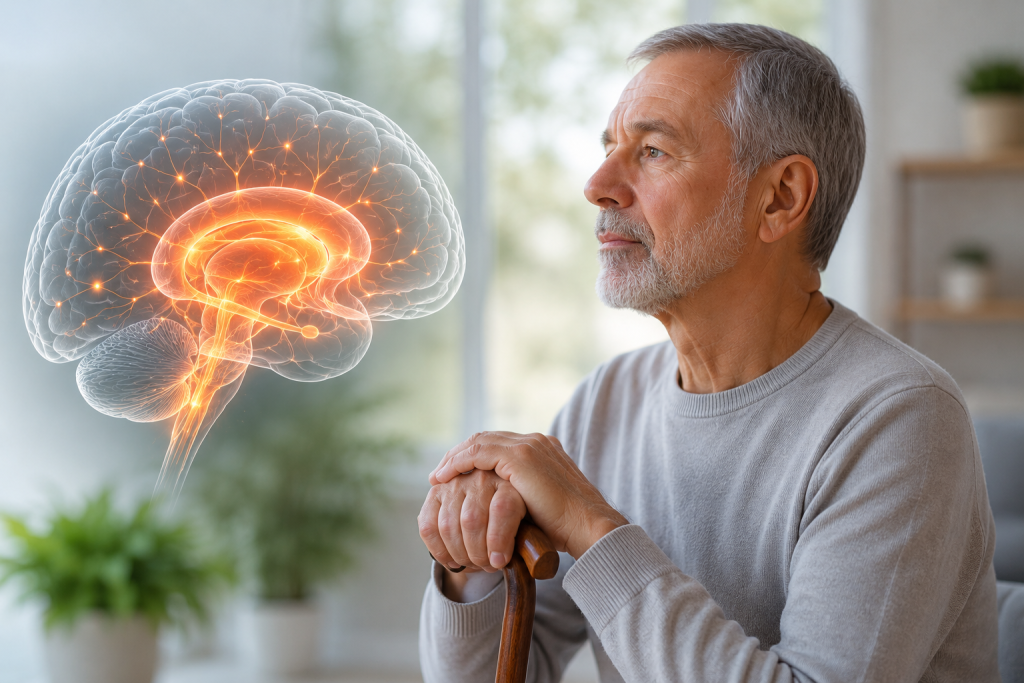
The human brain is a fascinating organ that controls all our thoughts, feelings, and actions. But what happens when this perfect system begins to fail? When neurological or psychiatric disorders appear that affect our quality of life? This is where neurostimulation comes in—an innovative technology that opens up new possibilities in the treatment of these diseases.
What is neurostimulation?
Neurostimulation is a set of techniques that specifically influence the nervous system using electrical, magnetic, or chemical impulses. Its main goal is to modulate nerve activity and thereby achieve a therapeutic effect.
Types of neurostimulation
- Deep brain stimulation (DBS): Surgically implanted electrodes stimulate specific areas of the brain. It is used to treat Parkinson's disease, epilepsy, and other conditions.
- Transcranial magnetic stimulation (TMS): A non-invasive method that uses magnetic fields to stimulate the cerebral cortex. It is used to treat depression, migraines, and other disorders.
- Transcranial direct current stimulation (tDCS): A non-invasive method that uses a weak electrical current to modulate brain activity. It is used to treat depression, anxiety, and other disorders.
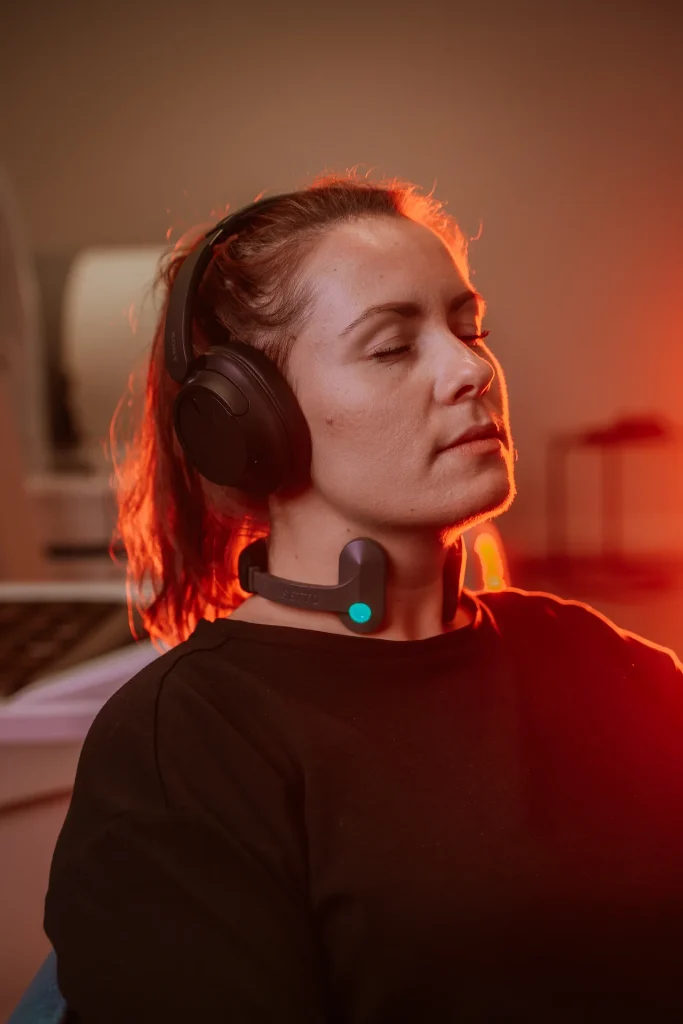
- Vagus nerve stimulation (VNS): Stimulation of the vagus nerve using electrical impulses. Used to treat epilepsy, depression, and other disorders.
Why is neurostimulation used?
Neurostimulation is used to treat a wide range of conditions, including:
- Parkinson's disease,
- Epilepsy,
- Depression,
- Chronic pain,
- Migraines,
- Addictions.
Neurostimulation can provide patients with relief from difficult symptoms and improve their quality of life. For example, in patients with Parkinson's disease, DBS can help reduce tremors and improve motor function. In patients with depression, TMS or tDCS can help improve mood and reduce anxiety.
Source: https://www.neurologiepropraxi.cz/pdfs/neu/2013/05/07.pdf