Lead-in: Stroke is one of the most serious neurological conditions and can drastically change the lives of patients and their families in a matter of moments. Modern research is therefore increasingly focusing on non-invasive methods that could support brain regeneration even after acute treatment. One such method is transcranial photobiomodulation —a therapy using red and near-infrared light—which is being studied for its potential to support neuronal energy metabolism, reduce inflammation, and improve blood flow in brain tissue.
Contents
- Why is a stroke so serious?
- What happens in the brain after an ischemic stroke
- What is transcranial photobiomodulation?
- How can light help brain cells?
- Photobiomodulation and Inflammation After a Stroke
- Can it also support brain regeneration?
- What do the studies to date show?
- What does this mean for the future?
- Scientific sources
Why is a stroke so serious?
A stroke occurs when a part of the brain is suddenly deprived of blood supply. The most common type is an ischemic stroke, in which a blood vessel becomes blocked, leaving the brain deprived of oxygen and nutrients. According to the text, the ischemic form accounts for approximately 80–85% of cases. The consequences can be very serious—ranging from speech and movement disorders to memory and balance problems, as well as long-term cognitive and emotional difficulties.
In the acute phase, modern medicine focuses primarily on restoring blood flow as quickly as possible. The problem is that this therapeutic window is very narrow, and not every patient receives treatment in time. That is precisely why researchers are exploring other ways to protect the brain and support its recovery even at a later stage.
What happens in the brain after an ischemic stroke
Following ischemia, a cascade of damaging processes is triggered. This leads to disruption of the vascular endothelium and the blood-brain barrier, mitochondrial dysfunction, a decrease in ATP production, an increase in oxidative stress, and the activation of neuroinflammation. The result is damage to neurons and impaired communication between brain networks that are critical for thinking, movement, and speech.
Simply put: after a stroke, the brain faces not only a lack of oxygen, but also a severe energy and inflammatory crisis.
What is transcranial photobiomodulation?
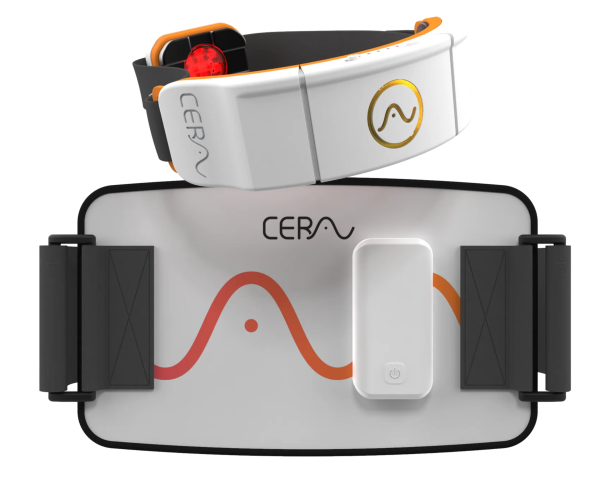
Transcranial photobiomodulation (tPBM) is a non-invasive method in which red or near-infrared light is applied through the scalp. The goal is to stimulate brain tissue in order to promote cellular repair, reduce inflammation, and improve cerebral blood flow. The text states that tPBM uses a spectrum of approximately 620–1440 nm, with the range of 600–900 nm considered the optimal therapeutic window.
Crucially, this is not an invasive procedure, and current data suggest it could be useful even beyond the acute phase—according to the text, researchers are exploring the possibility of extending the treatment window to 24–72 hours after a stroke, or even into the subacute phase of recovery.
How can light help brain cells?
One of the main targets of photobiomodulation is cytochrome c oxidase (CCO), an important enzyme in the mitochondrial electron transport chain. When this system malfunctions following ischemia, ATP production decreases and cells lose the energy needed for survival and regeneration. According to the article, tPBM promotes mitochondrial oxidative phosphorylation, increases ATP synthesis, and helps reduce oxidative stress.
In addition, therapy can help:
- cerebral blood flow,
- anti-inflammatory responses,
- expression of neurotrophic factors,
- neuroplasticity, that is, the brain’s ability to form new connections and reorganize itself after damage.
Photobiomodulation and Inflammation After a Stroke
Neuroinflammation is one of the key factors that exacerbate brain damage following a stroke. According to the text, tPBM may influence intracellular ROS levels and inflammatory signaling pathways, thereby contributing to the maintenance of redox balance and the suppression of excessive inflammatory responses. At the same time, it may influence the activity of astrocytes and microglia and promote a shift in the immune response toward a more regenerative, anti-inflammatory profile.
This is important not only for the immediate survival of neurons, but also for the quality of subsequent regeneration.
Can it also support brain regeneration?
The data on synaptic plasticity and neurogenesis are also very interesting. The article describes how tPBM can promote the expression of neurotrophic factors, such as BDNF, thereby aiding dendritic growth, synaptic stabilization, and the reconstruction of neural networks. These processes are crucial for recovery after a stroke.
Another effect mentioned relates to brain networks —such as the default mode network, the salience network, or the central executive network. Following an ischemic stroke, their functional connectivity is often disrupted, and according to the findings described, tPBM may contribute to their better reorganization and functional recovery.
What do the studies to date show?
The results so far look promising. The text summarizes that both preclinical and early clinical data demonstrate the potential of tPBM:
- reduce the size of the infarct,
- maintain neuroprotection,
- support long-term neurological recovery,
- without increasing certain major risks, such as bleeding.
At the same time, however, it is fair to note that most of the evidence so far comes from experimental and preclinical models. The article itself emphasizes that this is a very promising field, but one that still requires further research and optimization of treatment protocols.
What does this mean for the future?
Photobiomodulation is not a substitute for acute medical care in the event of a stroke. Nevertheless, it is proving to be an extremely promising avenue for future rehabilitation and neuroprotection. If further research confirms the current findings, it could become a valuable adjunct to the care of stroke patients—especially in cases where current treatment options are limited.
Conclusion
After a stroke, the brain needs more than just to survive the acute phase. It needs energy, support for regeneration, improved microcirculation, and the most favorable environment possible for the restoration of neural networks. This is precisely where transcranial photobiomodulation can play a role. Current science views it as a promising non-invasive method that may expand the possibilities of follow-up care for patients after an ischemic stroke in the future.
Scientific sources
1. Virani, S. S., A. Alonso, E. J. Benjamin, M. S. Bittencourt, C. W. Callaway, A. P. Carson, A. M.
Chamberlain, A. R. Chang, S. Cheng, F. N. Delling, et al. Heart Disease and Stroke Statistics
2020 Update: A Report From the American Heart Association. Circulation. 141:e139–e596,
2020. Source: https://pubmed.ncbi.nlm.nih.gov/31992061/
2. Lindstrom, M., N. DeCleene, H. Dorsey, V. Fuster, C. O. Johnson, K. E. LeGrand, G. A. Mensah,
C. Razo, B. Stark, T. J. Varieur, et al. Global Burden of Cardiovascular Diseases and Risks
Collaboration, 1990–2021. Journal of the American College of Cardiology. 80:2372–2425,
2022. Source: https://pubmed.ncbi.nlm.nih.gov/36517116/
3. Ibáñez, B., G. Heusch, M. Ovize, and F. Van de Werf. Evolving therapies for myocardial
ischemia/reperfusion injury. J Am Coll Cardiol. 65:1454–1471, 2015. Source:
https://pubmed.ncbi.nlm.nih.gov/25857912/
4. Ibanez, B., S. James, S. Agewall, M. J. Antunes, C. Bucciarelli-Ducci, H. Bueno, A. L. P. Caforio,
F. Crea, J. A. Goudevenos, S. Halvorsen, et al. 2017 ESC Guidelines for the management of acute
myocardial infarction in patients presenting with ST-segment elevation: The Task Force for the
management of acute myocardial infarction in patients presenting with ST-segment elevation
of the European Society of Cardiology (ESC). European Heart Journal. 39:119–177, 2018. Source:
https://pubmed.ncbi.nlm.nih.gov/28886621/
5. National Health Information Portal. Stroke: What Is It?. 2022. Source:
https://www.nzip.cz/clanek/980-cevni-mozkova-prihoda-co-to-je
You can read the entire article here:
WHAT SCIENCE SAYS ABOUT PHOTOBIOMODULATION AND STROKE